In 2025, the NhRP founded a new initiative to research and develop new avenues for establishing legal rights for animals. In 2026, we launched our Strategic Initiatives department which represents an exciting foray into new litigation and related interventions for establishing legal rights for animals.
Animal interests in the courtroom: Establishing Access to Justice
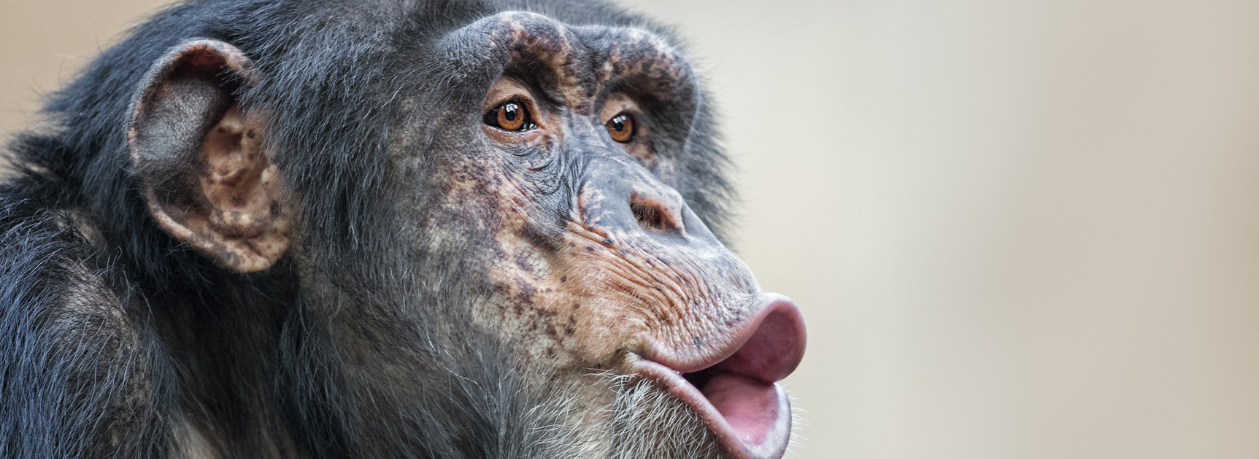
Every case we file provides us with new insight into how the legal system responds to the critical questions we’re asking about what animals are entitled to under the law. A recurring theme is denial that animals can even have their cases heard. At the same time, losses in other domains of animal advocacy at large point to systemic barriers to justice for nonhuman animals.
We believe many of these barriers are making it difficult if not impossible for judges to even fairly consider cases involving animals. We’re currently investigating how best to tackle these systemic barriers, which are often procedural in nature: for example, how to mobilize court procedures to elevate animals’ legal status, how to get courts to recognize animals as plaintiffs in their own right, and how to normalize the idea of lawyers representing animals as clients. This research has the potential to boost our groundbreaking habeas corpus work with positive spillover effects throughout the cause of animal advocacy by helping to ensure that legal protections are actually enforced and effective. We produced an internal report in 2025 that identified promising interventions which have already influenced our advocacy. Further interventions will be developed and launched in 2026 and 2027.
Recognizing Freedom from Cruelty
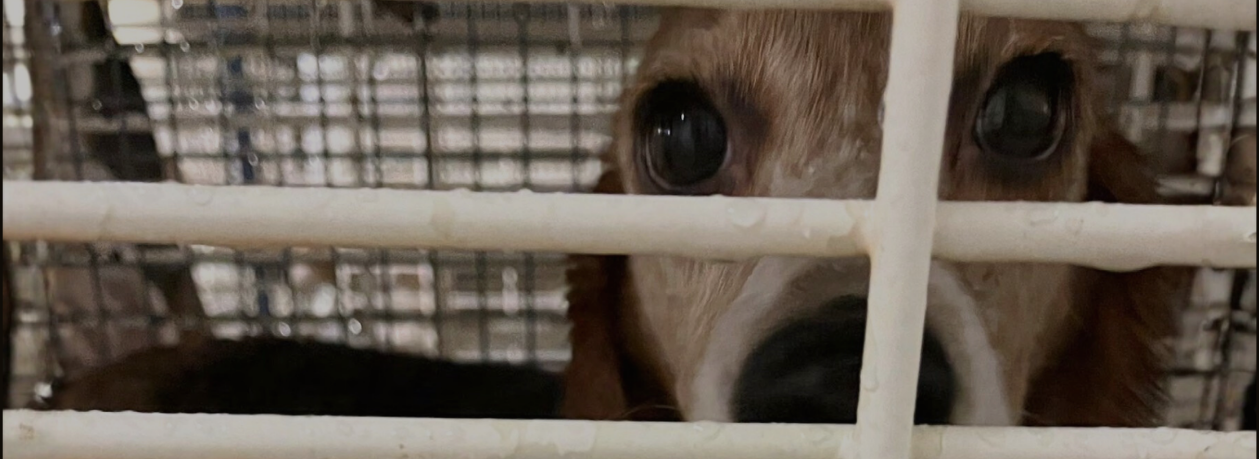
Our Freedom from Cruelty cases conceptualize state law anti-cruelty protections as a legal right that can actually be enforced on behalf of an animal where all other options have been exhausted. This frames anti-cruelty laws as protections for the animals themselves, rather than punishing human wrongdoers for past conduct. By thinking about anti-cruelty laws as providing a right to be free from cruelty, we can ask courts to intervene and protect animals from ongoing violations of the law. This can fill an important enforcement gap where existing laws fall short of actually protecting animals and remedying the harm they have suffered. Additionally, by leveraging existing laws and norms, Freedom from Cruelty wins will serve as incremental steps towards an enhanced legal status for animals.
In January 2026, the NhRP filed a habeas corpus petition on behalf of the approximately 2,000 beagle dogs and puppies being held in cruel conditions at puppy mill Ridglan Farms, Inc., asking the court to recognize their right to be free from cruelty under Wisconsin law. This groundbreaking case represents the first Freedom from Cruelty case ever filed and the first time a court has been asked to recognize an animal’s right to be free from cruelty. The case argues that 1) Wisconsin has an animal cruelty law that protects animals, 2) the justice system exists to provide justice and provide remedies for wrongs, and 3) the law should be applied to provide such justice and, in this case, order the release of the thousands of beagles held in cruel conditions.
Animals are Family
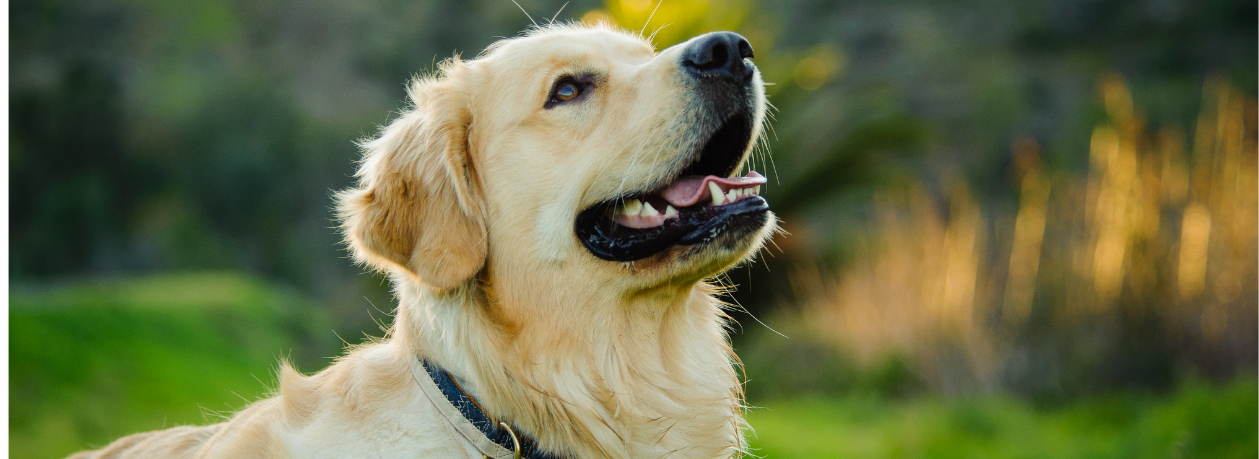
Our “Animals are Family” work is an effort to move the legal system towards what 97% of respondents said in a Pew Research poll: that their companion animals are family members. It is past time for the legal system to treat them accordingly.
In 2024, the NhRP filed two amicus briefs in support of the plaintiff in Deblase v. Hill. The plaintiff in the case sought emotional distress damages for having witnessed the death of her son’s dog Duke in a vehicle collision that occurred while they were walking through a crosswalk. The NhRP’s amicus briefs argued that justice and the flexible nature of the common law required allowing the plaintiffs to recover emotional damages for having witnessed Duke’s death. Justice Maslow relied extensively on the NhRP’s briefs in his landmark decision which affirmed that dogs can be recognized as immediate family members under New York law.