Brett Mitchell is a renowned elephant expert and the Founder and Chairman of the Elephant Reintegration Trust (ERT). With more than two decades of experience working with both captive and wild elephants, Brett’s career has come full circle—from managing captive elephants to becoming a leading voice for elephant reintegration, rewilding, and autonomy. Through the ERT, he has successfully reintegrated more than 17 formerly captive elephants back into protected wild systems while advancing research, policy development, and ethical, science-based approaches to elephant welfare and conservation. Today, his work focuses on advocating for an ethical end to elephant captivity and supporting long-term solutions that prioritize elephants’ freedom, agency, and wellbeing.
I have worked with elephants for three decades. My journey began in the captive elephant tourism industry, where I managed over twenty elephants. Today, as Chairman of the Elephant Reintegration Trust, my work focuses on rewilding, research, and advocating for an end to captivity.
Over the years I have learned that elephants are remarkably complex, emotional and socially intelligent. They are deeply bonded to family, highly aware of their surroundings, and shaped by relationships, memory and experience. They need space, movement, choice, and control over their own lives.
For me, autonomy is central to an elephant’s well-being. Choosing where to move, feed, rest and who to spend time with is not a luxury; it allows elephants to be who they are.
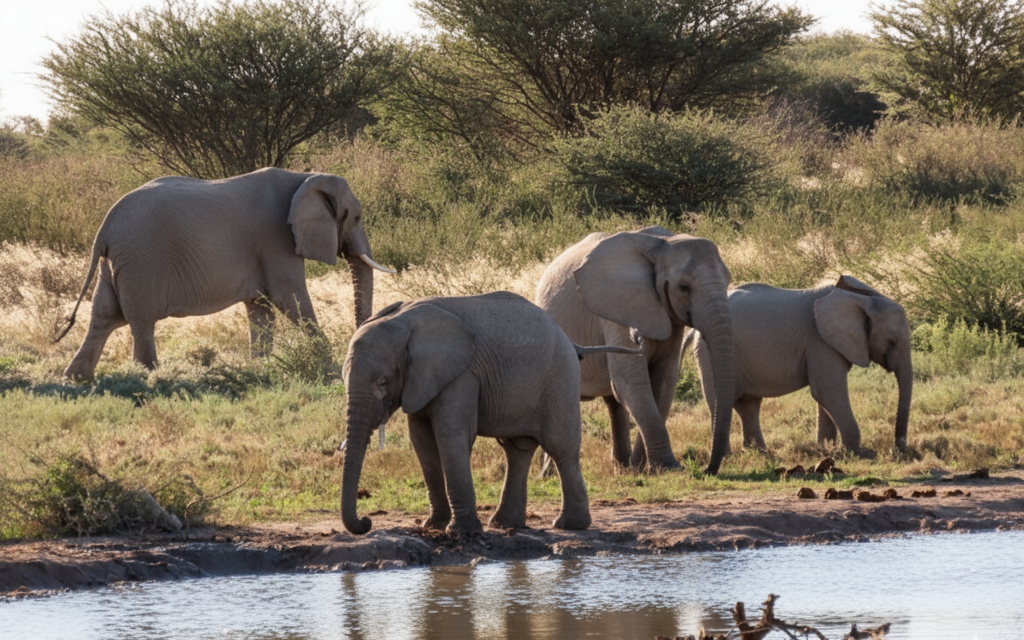
Captivity removes this. Even when care is well intentioned, an elephant’s life is shaped by human schedules, boundaries, and decisions, simply for entertainment. Captivity limits movement, disrupts natural social structures and leaves deep emotional trauma. Choice is replaced with control.
I have always believed elephants belong in the wild, and over time it became clear they should not be in captivity. They may learn to endure it, but endurance is not welfare. Against criteria shaped by the captive industry, survival is too easily mistaken for thriving.
Denying elephants autonomy denies one of the most important parts of their lives. The clearest lesson elephants have taught me is that once they are given back choice, they know exactly what to do with it and captivity!
At the heart of ERT’s reintegration model is a principle I have long believed in: think elephant. Every stage must be guided by the elephants’ needs, choices, and readiness.
Previously captive elephants cannot simply have a gate opened and be expected to live wild overnight. Having spent decades, under human control, with movement, choices and social lives restricted, reintegration must be careful, gradual, and centered on each elephant’s needs.
The process begins by understanding each elephant, their health, history, behaviour, stress levels, and social bonds. Rehabilitation supports physical and emotional recovery. Reintegration is where the real shift begins as humans step back and elephants choose for themselves, learn the landscape, rebuild bonds, and rely less on people.
The final stage is rewilding, where elephants live in a wild system with full autonomy. Our role is not to teach elephants how to be elephants, but to step aside and give them the chance to reclaim who they are.
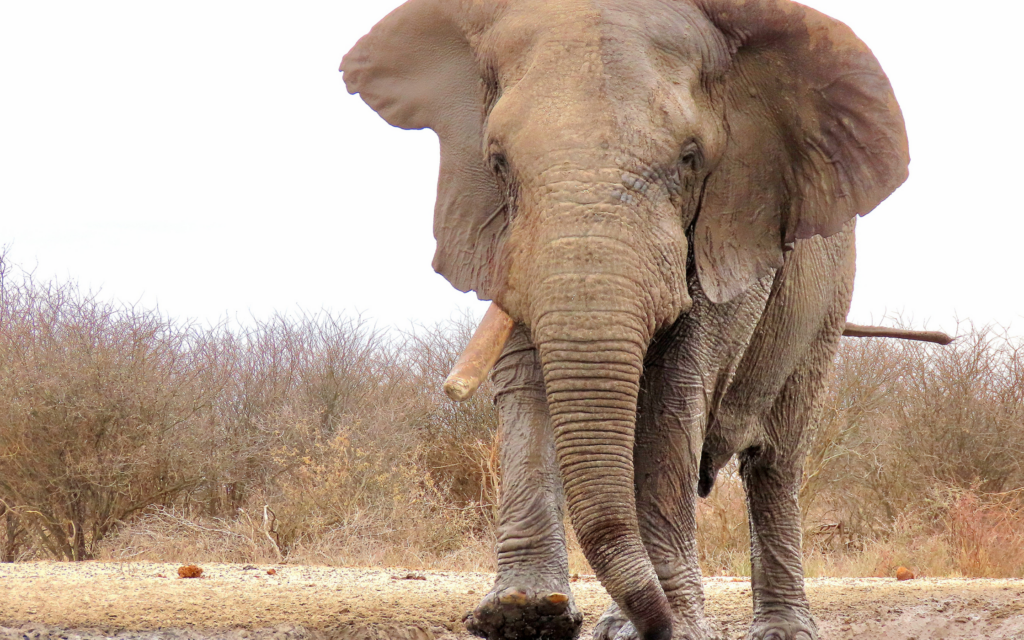
The idea grew from the realisation that the captive elephant industry could no longer be justified. Honestly, it never could. People were losing their lives, and wild elephants were being captured for commercial gain. It became personal. I promised myself that the elephants I worked with for nearly 20 years would one day walk wild again. With time, persistence, and many difficult steps, that promise became reality.
Our rewilding work, together with ongoing monitoring and research, has shown what is possible when elephants are given the chance to reclaim their lives. Previously captive elephants have adapted to wild systems, formed bonds, reproduced, moved across large landscapes, and resumed natural behaviours. These outcomes strengthen my belief that all elephants have the potential to return to the wild with time, care, and the right environment.
This is why one of ERT’s key objectives is to create a dedicated elephant reserve for rewilding elephants from captive backgrounds, offering a practical and ethical pathway away from captivity and toward freedom, dignity, and ecological contribution.
To make this vision a reality, we need help from people and partners who believe elephants deserve more than survival in captivity. They deserve the chance to live wild again.
Learn more about the Elephant Reintegration Trust’s work on their website.